An athletic department CFO stares at a revised budget projection for the upcoming fiscal year, the first to fully account for the new revenue-sharing model. The numbers confirm a seismic shift: the old financial playbooks, reliant on endowments and traditional fundraising, are no longer sufficient. Every capital expenditure is under scrutiny, forcing a difficult re-evaluation of how to fund the technology essential for modern competition and fan engagement.
The New Financial Mandate: From Cost Center to Growth Engine
The House v. NCAA settlement has fundamentally altered the financial landscape of collegiate athletics. With a direct revenue-share model now in place, athletic departments face unprecedented pressure to generate new, sustainable income streams. This new reality changes the calculus for venue technology. What was once viewed as a capital-intensive cost center—a scoreboard upgrade or a new sound system—is now being re-framed as a critical investment in the department’s financial future.
Historically, major tech upgrades were funded through capital campaigns or one-time donor gifts. But this model is too slow and unpredictable for the current environment. Industry leaders recognize that waiting for the next fundraising cycle means falling behind. Instead, they are adopting a more practical approach: investing in technology that can directly finance itself by creating new efficiencies and revenue opportunities. This shift is essential for unlocking new revenue streams in a market that demands more than just ticket sales.
Beyond the Cap: Finding a New Funding Blueprint
The settlement’s structure itself provides a clue for forward-thinking financial officers. The revenue-sharing cap creates a powerful incentive for schools to generate income far beyond what is required for direct athlete payments. This surplus is the key to funding the infrastructure needed to compete at the highest levels, creating a virtuous cycle where smart investments fuel further growth.
"We’re going to have to find new revenue streams. We’re going to have to operate our departments more like a traditional business... We have to be highly efficient."
— Trev Alberts, Director of Athletics, Texas A&M
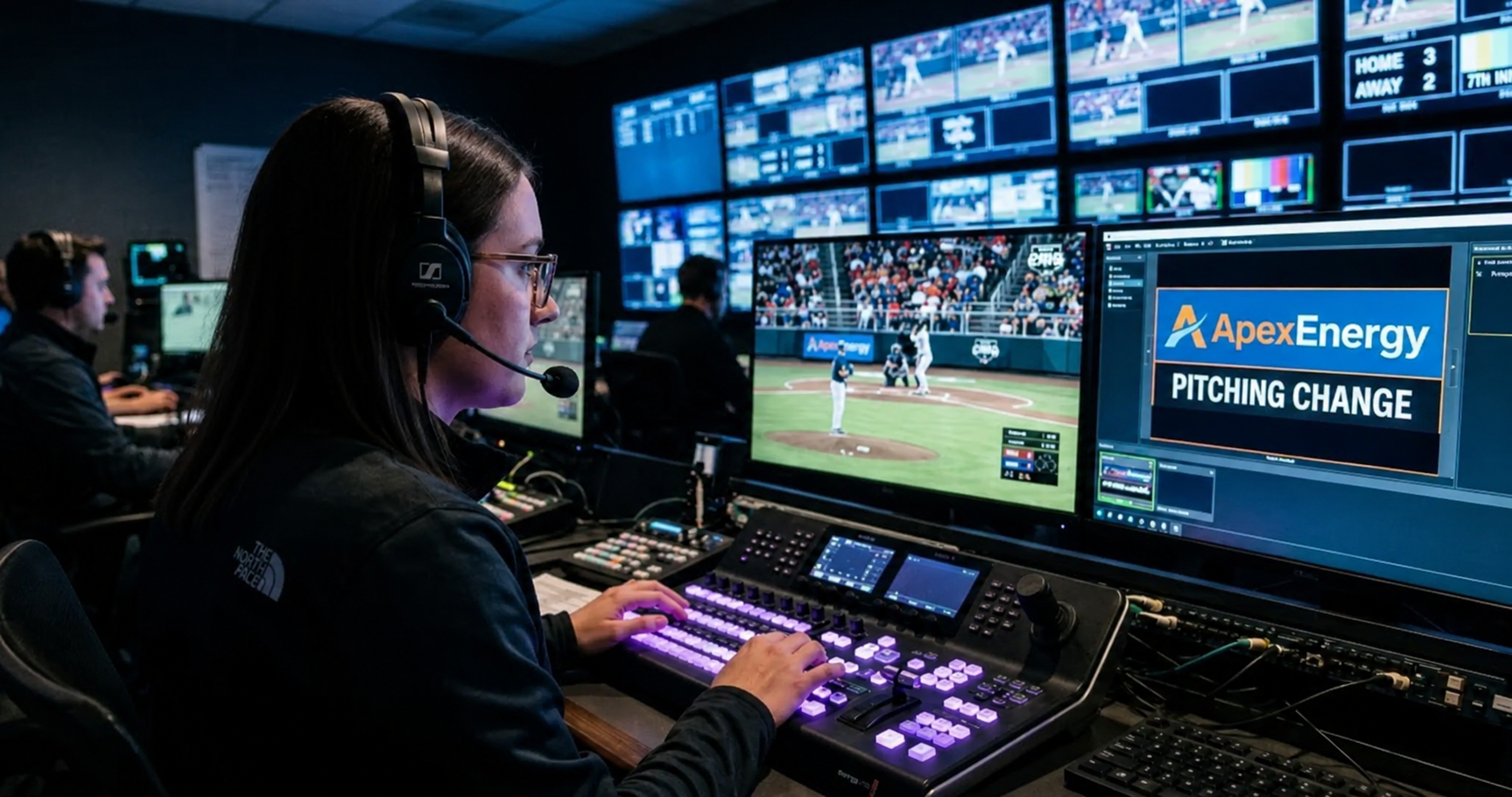
This reality puts the onus on CFOs and revenue officers to find that "excess." For example, during a tense College World Series game, a simple pitching change becomes a premium sponsorship opportunity. Instead of a static ad, a modern venue can deploy a real-time, interactive poll that asks fans to predict the next pitch, with the sponsor’s brand integrated into the experience. This moment creates new, high-margin digital inventory that did not exist before, directly enhancing sponsorship ROI and adding to the revenue needed for reinvestment.
💡 Related reading: How Technology Is Helping Venues Control Operating Costs—and Unlock New Revenue — explore how leading venues are implementing these practices to drive engagement and revenue.
Reclassifying Tech from CapEx to Revenue Engine
For the modern athletic CFO, the most critical shift is a strategic one: reclassifying certain technologies from a simple capital expenditure to revenue-generating assets. A traditional CapEx mindset views technology as a depreciating item with a high upfront cost. A more sophisticated view assesses its potential to generate income and reduce long-term operational expenses.
An agile, template-driven graphics platform, for instance, does more than just improve the fan experience. It dramatically reduces the high costs of creating custom, pre-rendered video files for every game and sponsor. It allows a WNBA team to instantly re-skin the arena’s visual theme for a special event night or an MLS club to fulfill a last-minute sponsorship request, turning changeovers from a cost center into a profit opportunity. When a technology platform can turn changeovers into revenue engines, it pays for itself over time, making it a more justifiable and strategic investment.
The financial future of college athletics will be defined by this kind of operational and fiscal agility. The departments that thrive in the revenue-sharing era will be those that empower their finance leaders to look beyond traditional funding models. By making a data-driven case for technology as a self-sustaining asset, CFOs can secure the investments needed to build a more resilient and profitable future.
Turn Your Venue Tech Into a Revenue Engine
Don't let traditional CapEx models hold back your venue's financial potential. Discover how venue4D’s unified, real-time platform pays for itself by unlocking dynamic new sponsorship inventory and streamlining game day operations.
Book a Strategy Call