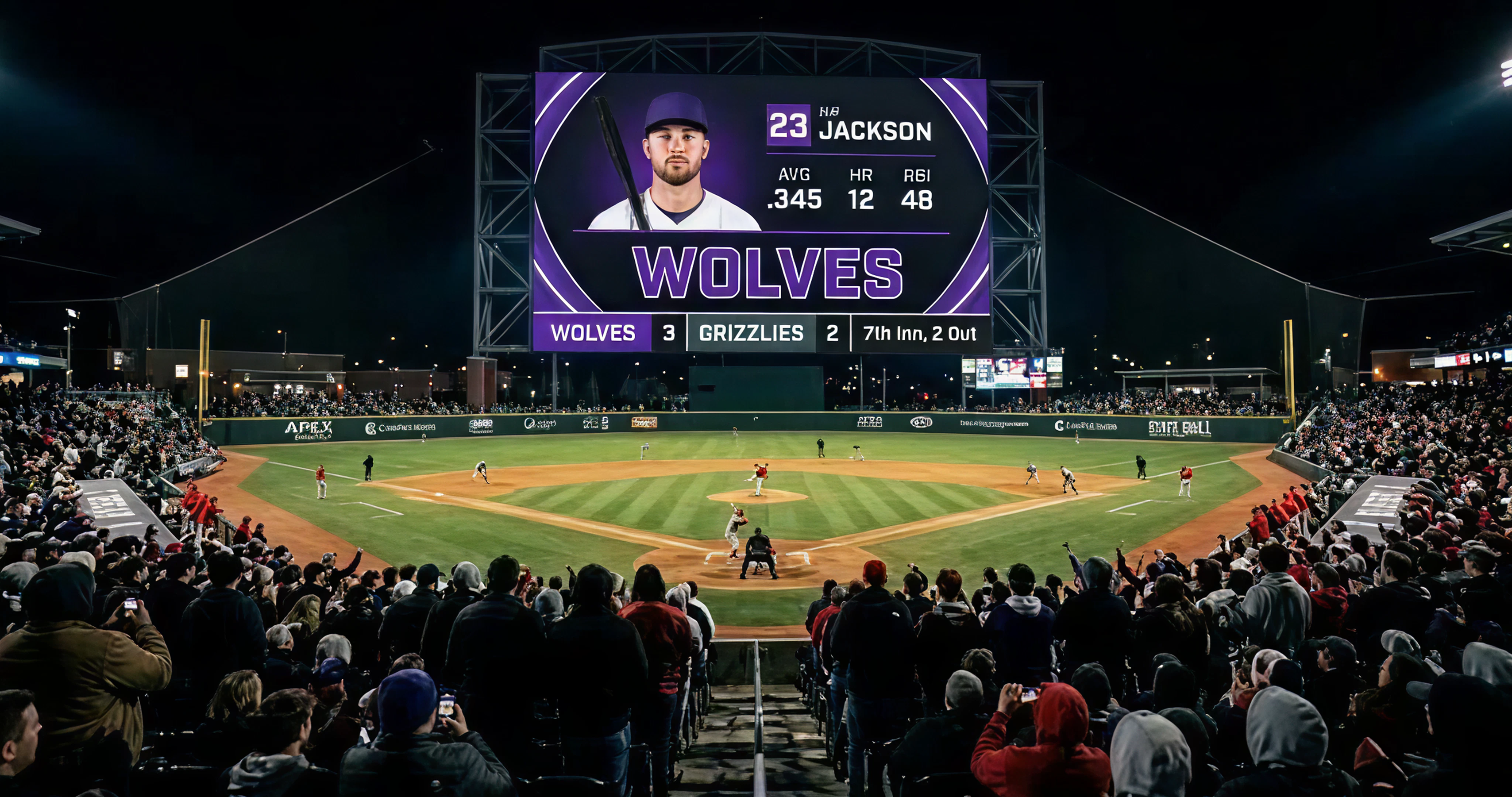
Conference realignment is more than a line item in a media rights deal; it’s a catalyst reshaping long-term venue strategy. The shift creates an urgent need for athletic departments to re-evaluate capital spending to meet the competitive standards of new conference rivals. This requires a strategic approach to infrastructure, where smart technology investments become the key to closing the gap.
The New Arms Race Isn't Just for Talent
An athletic director at a newly realigned university pulls up the 2027 conference schedule. It’s not just the logos of their new opponents that look different; it’s the images of their venues. The realization is immediate and unsettling: the fan experience, broadcast capabilities, and premium amenities that are standard for their new rivals represent a competitive benchmark their own facilities simply don't meet.
The wave of conference realignment has triggered a secondary arms race, one fought not on the recruiting trail but in capital planning meetings. Joining a more prominent conference means that every home game is now measured against a higher standard. A college baseball stadium that was once a point of pride can suddenly feel inadequate compared to a new conference foe's facilities, directly affecting fan perception, recruiting appeal, and sponsor interest.
This pressure extends across all sports, not just football and basketball. As athletic departments enter new competitive landscapes, the baseline expectations for everything from lacrosse fields to NCAA softball complexes are elevated. The need to compete is no longer just about the talent on the field; it's about the experience offered in the stands.
Reshaping the Capital Expenditure Roadmap
This new reality forces a complete reassessment of long-term capital expenditure plans. Projects that were once years away are now immediate priorities. The financial windfall from a new media rights deal is often mentally earmarked before the ink is dry, shifting from a growth opportunity to a tool for competitive survival.
The pressure to keep pace is immense, creating a clear divide between programs that can fund major upgrades and those that must find more measured ways to compete.
"It’s going to put a lot of pressure on schools to continue to invest in their programs, and it will further the divide between the haves and have-nots." — AJ Maestas, CEO of Navigate Research, via Sports Business Journal
This pressure ripples through every aspect of financial planning. A planned renovation of a weight room might be postponed in favor of a critical videoboard upgrade. The need for new premium seating or enhanced connectivity to support modern broadcast requirements can leapfrog other projects, forcing ADs and CFOs to make difficult decisions about where to allocate limited resources for maximum impact.
💡 Related reading: How technology can control operating costs — these ambitious capital projects demand a new level of financial scrutiny and operational efficiency to be successful.
Strategic Tech Investment as the Great Equalizer
For mid-major programs and those with tighter budgets, matching the nine-figure construction projects of conference powerhouses is often impossible. However, building bigger is not the only way to build better. Strategic investment in scalable, efficient technology can close the experiential gap at a fraction of the cost, providing a significant competitive advantage.
Modern venues are focusing on operational agility and visual impact. Instead of adding a new seating deck, they are investing in unified, real-time graphics platforms that can make a 20-year-old arena look and feel broadcast-ready. This approach avoids the integration fallacy of a fragmented tech stack, allowing a lean team to deliver a premium, cohesive show. When your videoboards, ribbon displays, and concourse screens operate in sync, you present a polished, modern brand image that resonates with fans and sponsors alike.
This focus on the digital layer directly impacts the bottom line. An enhanced in-venue presentation creates new, dynamic sponsorship inventory, which is critical for redefining sponsorship ROI in a market that demands more than static logos. These new revenue streams can then be used to fund the next wave of capital improvements, creating a sustainable cycle of growth.
Conference realignment is a catalyst forcing athletic departments to look beyond the immediate financial gains of media rights. It demands a sophisticated, long-term view of a venue’s role as a strategic asset for brand building, fan engagement, and revenue generation. The programs that will thrive in this new era are not necessarily those that spend the most, but those that spend the smartest. By prioritizing agile, scalable, and experience-focused technology, leaders can ensure their venues are ready to compete on any stage, regardless of the opponent's jersey logo.
Ready to Elevate Your Venue Strategy?
See how venue4D™ helps leading venues turn live moments into measurable revenue.
Talk to venue4D